

Understanding Labrum Tears in the Acromioclavicular Joint: A Biomechanical Insight into Diagnosis and Treatment
Introduction
The acromioclavicular (AC) joint, located at the top of the shoulder , plays a crucial role in allowing smooth, stable movement of the arm. At the center of this joint is the labrum—a tough, cartilage-like rim that deepens the joint socket and helps keep the shoulder stable. Although labrum tear s in the AC joint are less common than in other shoulder regions, these injuries can be difficult to detect and treat due to their complexity. This article explores what causes AC joint labrum tear s, how they are diagnosed, and the best options for treatment. By understanding the biomechanics behind these injuries, both patients and clinicians can help ensure a full recovery and a return to normal shoulder function.
The AC Joint: Structure, Movement, and Why Labrum Tears Occur
To understand how labrum tear s develop, it’s helpful to know a little about the AC joint’s anatomy and mechanics. The AC joint is where the collarbone (clavicle) meets the shoulder blade (scapula). The labrum, a flexible ring of fibrous cartilage, surrounds the joint, enhancing its stability and helping to distribute forces whenever you move your arm.
Labrum tear s in the AC joint usually result from repeated stress, sudden impacts, or awkward movements—such as heavy lifting overhead or a direct blow to the shoulder. These scenarios can place excessive pressure on the labrum, causing it to fray or tear. Research shows that the labrum is essential for absorbing and distributing forces during arm movements, so when it is damaged, the joint can become less stable, leading to pain, limited movement , or weakness.
Labrum injuries are particularly common among active or athletic young adults, especially those involved in contact sports. Most often, they happen after a fall onto an outstretched arm or a forceful impact, which puts abnormal stress on the AC joint and its supporting tissues. Understanding the mechanical forces at play helps physicians not just diagnose these injuries , but also design strategies to prevent them.
Why Labrum Tears Are Challenging to Diagnose
Diagnosing an AC joint labrum tear isn’t always straightforward. The symptoms—such as pain, weakness, and reduced range of motion—often overlap with other shoulder conditions , making it hard to pinpoint the exact problem. Doctors begin with a thorough history and physical exam, looking for specific signs of labral damage.
Imaging plays a crucial role in diagnosis, but small labrum tear s can be difficult to detect. While X-rays are useful for identifying obvious joint separations or bone abnormalities, they don’t show soft tissue like the labrum. For a more detailed view, doctors often use magnetic resonance imaging (MRI), sometimes combined with a dye (arthrography) to highlight the joint structures. Ultrasound imaging may also be used to assess the joint during movement, though it is less precise for looking at the labrum itself.
It's also important for clinicians to rule out other issues like rotator cuff injuries or arthritis , which can cause similar symptoms. In some cases, doctors may recommend a minimally invasive procedure called arthroscopy, where a tiny camera is inserted into the joint to directly visualize and confirm any damage. This careful, step-by-step approach helps ensure an accurate diagnosis and lays the foundation for effective treatment.
Treatment Options and the Road to Recovery
Treatment for an AC joint labrum tear depends on the severity of the injury and the individual needs of each patient. Many start with conservative approaches such as physical therapy , which focuses on strengthening the muscles around the shoulder and improving joint mechanics to reduce stress on the labrum. Rest, pain management, and avoiding activities that aggravate symptoms are also important first steps.
The severity of an AC joint injury is often classified using the Rockwood system, which grades separation based on how far the joint is disrupted. This classification helps guide treatment decisions, ensuring patients receive the care best suited for their situation.
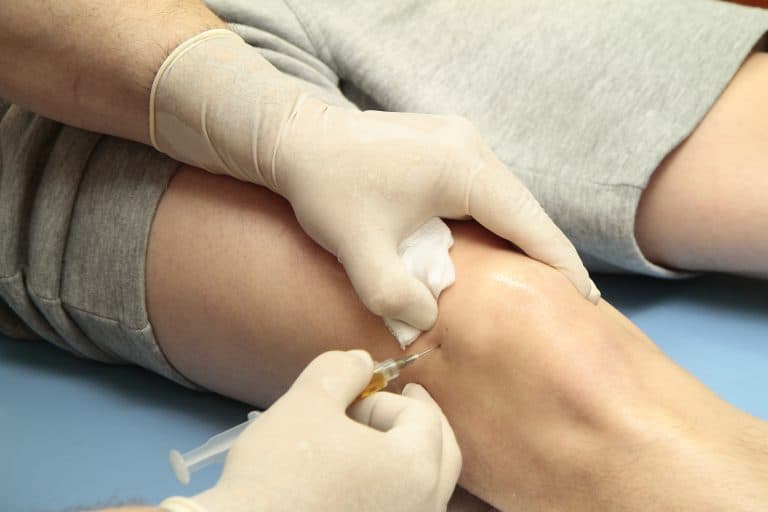
If conservative measures don’t provide relief or if the tear is more severe, surgery may be necessary. Modern arthroscopic techniques allow surgeons to repair the labrum using small incisions and specialized tools, which often means a shorter recovery time and less pain after the procedure. In addition to surgical repair, emerging therapies include biologic injections that promote tissue healing and regenerative techniques designed to restore the joint’s natural mechanics.
Understanding the biomechanical forces that led to the injury allows treatment to be tailored for each patient, maximizing the chances of a full recovery. As research continues to shed new light on how the AC joint works and heals, even more effective therapies are on the horizon.
Conclusion
Labrum tear s in the acromioclavicular joint are complex injuries, often resulting from a mix of mechanical stress and trauma. Their subtle symptoms can make them tough to diagnose, but a solid understanding of the joint’s biomechanics leads to better detection and treatment. With a combination of careful evaluation, proven therapies, and ongoing advances in shoulder care , patients have an excellent chance of regaining strength, stability, and pain-free movement.
References
O’Keeffe, M., Khursid, K., Munk, P. L., & Taljanovic, M. S. (2019). Acromioclavicular Joint Trauma. In (pp. 46-48). Oxford University Press. https://doi.org/10.1093/med/9780190938161.003.0010
Potter, D. M. (2011). Acromioclavicular joint. In (pp. ). Oxford University Press. https://doi.org/10.1093/med/9780199550647.003.004010
Song, H. S., Choi, N. Y., Han, S. K., Nah, K. H., Nam, W. S., Yang, H. J., & Park, S. J. (2006). Open reduction of acromioclavicular joint for the acromioclavicular joint dislocations. Clinics in Shoulder and Elbow, 9(2), 189-195. https://doi.org/10.5397/cise.2006.9.2.189
Frequently Asked Questions
- London Cartilage Clinic stands out due to its advanced diagnostic tools and commitment to personalised care plans. Led by Prof Lee, the clinic prioritises thorough assessment of each patient’s unique needs, ensuring careful, step-by-step diagnosis and access to the latest treatment technologies for optimal shoulder recovery.
- Prof Lee is a highly respected expert in musculoskeletal care, known for pioneering advanced approaches in shoulder joint treatment. His extensive background in cartilage and soft tissue injuries offers patients reassurance that they will benefit from the latest techniques and a wealth of experience for their AC joint care.
- The clinic employs a combination of thorough clinical examination and cutting-edge imaging procedures. Prof Lee’s expertise allows for precise differentiation between labrum tears and other conditions. When necessary, minimally invasive arthroscopy is used to confirm diagnosis, ensuring a tailored treatment strategy for each patient’s situation.
- London Cartilage Clinic provides a wide range of options, from specialist-guided physical therapy and rehabilitation to state-of-the-art arthroscopic repairs. Prof Lee also offers regenerative and biological therapies when appropriate, adapting treatment to each patient’s activity level, injury severity, and recovery goals for maximum benefit.
- Patients choose the clinic for its proven expertise, patient-focused care, and minimally invasive techniques. Prof Lee’s leadership ensures treatments are based on the latest research and tailored to individual needs, maximising the prospect of regaining shoulder strength, stability, and comfort with a compassionate approach throughout care.
Legal & Medical Disclaimer
This article is written by an independent contributor and reflects their own views and experience, not necessarily those of London Cartilage Clinic. It is provided for general information and education only and does not constitute medical advice, diagnosis, or treatment.
Always seek personalised advice from a qualified healthcare professional before making decisions about your health. London Cartilage Clinic accepts no responsibility for errors, omissions, third-party content, or any loss, damage, or injury arising from reliance on this material.
If you believe this article contains inaccurate or infringing content, please contact us at [email protected].
London Cartilage Clinic
Modern treatments, designed for lasting knee outcomes
Every treatment plan is selected to help you return to the quality of life you deserve. Our team combines up-to-date techniques with consultant-led decision making across cartilage repair, regeneration and replacement.
What your journey can look like
Step 01
Consultant-Led Assessment
Symptoms, imaging and goals reviewed in one structured appointment.
Step 02
Personalised Treatment Plan
A clear route chosen from repair, regeneration or replacement options.
Step 03
Precision Delivery
Modern techniques and specialist equipment matched to your diagnosis.
Step 04
Long-Term Knee Health
Follow-up guidance focused on durable function and quality of life.
PAAG-8+ Questionnaire
A bright, structured entry point for patients exploring Arthrosamid. The questionnaire helps frame suitability, expectations, and 24-month clinical benefit discussion before a fuller consultant-led review.
Designed for shared decision-making. It does not replace specialist consultation, examination, imaging review, or formal medical advice.